• Make online an appointment Questions? Call us!

Yearly Archives: 2026

Dry Eye Syndrome & Office Work: Relief for gritty eyes

The "Office Eye Syndrome": Why your eyes feel gritty at 5 PM
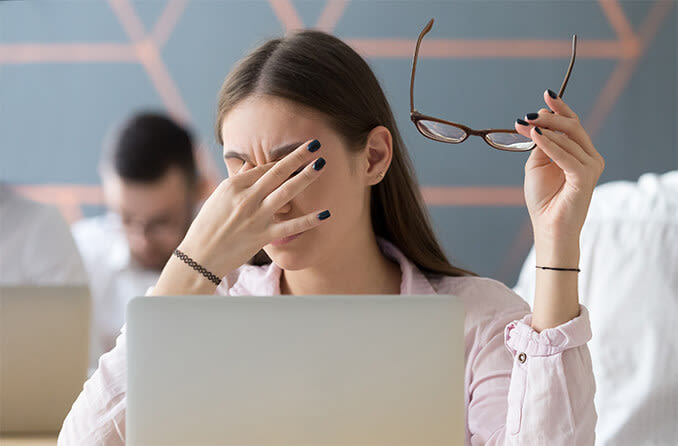
Office worker rubbing eyes in front of computer

Amsterdam is a hub for international business. But for many expats working in tech, finance, or creative agencies, the daily grind comes with a painful side effect: exhausted, red, and gritty eyes.

You might dismiss it as just "being tired." But medically, there is often more going on. We call it Dry Eye Disease, or colloquially: Office Eye Syndrome.

Why the modern office is a trap for your eyes

Three factors create the perfect storm for eye discomfort:

  • Reduced Blinking: Normally, you blink about 15-20 times a minute. Behind a screen, this drops to only 5 times. Your eyes literally dry out.
  • Air Conditioning: Most modern offices in Amsterdam Osdorp and Zuidas have aggressive climate control with low humidity.
  • The "20-20-20" fail: We forget to look away into the distance to relax our focus muscles.

The Paradox: "But my eyes are watering!"

This is the most common question we get at Zeker Zicht. "How can I have dry eyes if tears are running down my cheeks?"

Think of it as a panic response. Because your eye surface is dry and irritated, your brain sends a signal to "flush" the eye. But these represent emergency tears (mostly water), lacking the essential oils needed to lubricate the eye properly. It washes away, leaving the eye dry again.
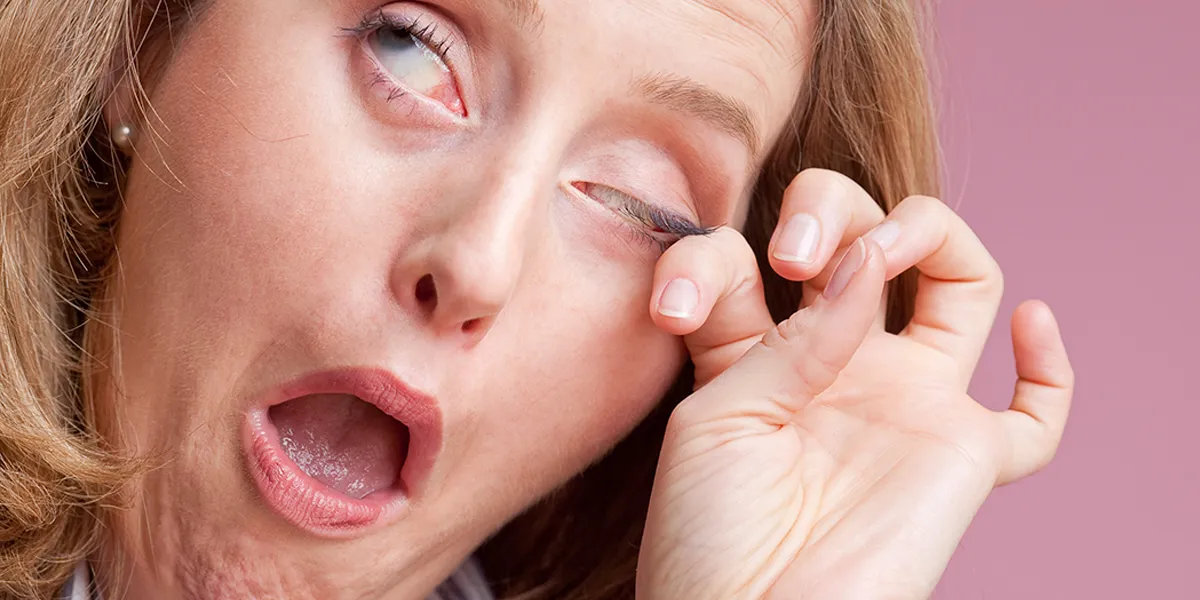
Diagram of tear film layers or eye drops

Treat the cause, not just the symptom

Buying random eye drops at the drugstore often provides only temporary relief (or contains preservatives that irritate further). As optometrists, we analyze your Tear Film.

Do you lack water? Or do you have Meibomian Gland Dysfunction (where the oil glands in your eyelids are blocked)? The treatment is vastly different for each type.

Work comfortably again

Don't let dry eyes ruin your productivity. Book a Dry Eye Assessment at Zeker Zicht. We analyze your tear quality and provide medical-grade solutions.

Book Dry Eye Analysis
Contact Lens Hygiene Guide: Protect Your Vision

Lens Hygiene Guide: Keep Your Eyes Healthy

Wearing contact lenses is fantastic, provided it is done safely. At Zeker Zicht, we unfortunately often see complications due to improper use. Use this guide to protect your cornea and maintain crystal-clear vision.

1

The Golden Rule: No Water

Water is the greatest enemy of your contact lenses. Tap water contains bacteria and parasites that can severely damage your eyes.

  • Wash your hands: Always wash your hands thoroughly with soap and dry them completely before touching your lenses.
  • The right location: Store your lens solution and case outside of the bathroom. High humidity attracts bacteria. Also, avoid wet sinks; if a lens falls on a wet surface, it is immediately contaminated.
  • No showering or swimming: Always remove your lenses before getting in the water. If you must swim with lenses, use daily disposables and discard them immediately after swimming.
2

Cleaning: The "Rub & Rinse" Method

Proteins and debris build up on your lenses. Simply soaking them is not enough; you must physically clean them for optimal results.

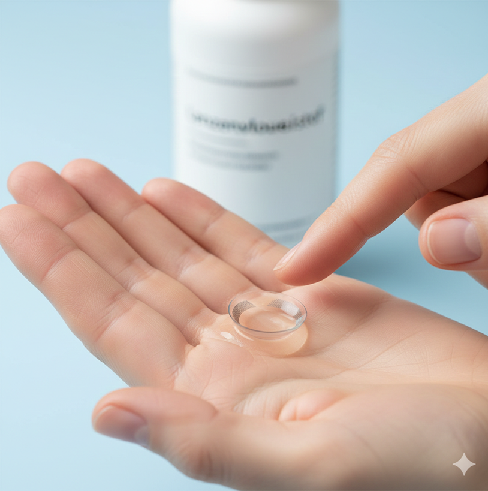
Cleaning contact lenses by gently rubbing them in the palm with Nano Banano solution.
The essential 'rubbing step' using Nano Banano solution.
  1. Insertion & Removal: Clean your lenses both when putting them in and taking them out.
  2. Rubbing: Place the lens in your palm with some lens solution and rub gently in circular motions.
  3. Rinsing: Rinse the lens thoroughly with extra solution afterwards.
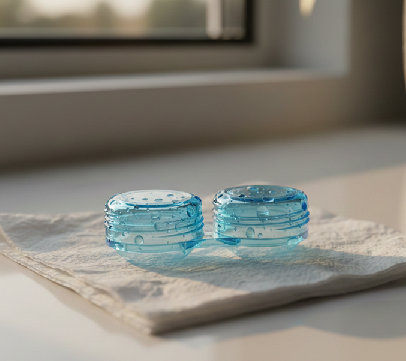
  4. Case Maintenance: Discard old solution immediately. Rinse the case with fresh lens solution (never water!) and let it air-dry upside down on a lint-free tissue, outside of the bathroom.
Contact lens case drying upside down on a clean tissue outside of the bathroom.
Always allow the case to air-dry in a dry area without the caps.
3

Healthy Habits & Travel

  • Rest periods: Never sleep with your lenses in. Do not wear your lenses all day long; switch to your glasses when you are at home to give your eyes oxygen.
  • Safe travel: When on vacation or staying overnight elsewhere, use a separate, clean pouch specifically for your solution and case. This keeps them protected from dirt and bacteria inside your luggage.

Why is hygiene so crucial?

Poor hygiene causes corneal infections (keratitis) that can permanently affect your vision. You can also develop an allergy to lenses (GPC), making it impossible to wear them for more than an hour.

Acanthamoeba danger: This protozoan found in tap water can damage the center of your cornea within hours. This is extremely painful and often disastrous for your eyesight.

Frequently Asked Questions about Lens Hygiene

Can I rinse my lenses with tap water?

Absolutely not. Tap water contains microorganisms like Acanthamoeba. Always use high-quality lens solution to prevent serious infections.

Why is the bathroom a bad place for my lenses?

Bathrooms are humid environments and breeding grounds for bacteria. By storing your supplies in a dry place (like your bedside table), your lens case stays hygienically clean.

What should I do if I go swimming with lenses?

Preferably wear daily disposables (though a risk of infection still exists) and throw them away immediately after swimming. This prevents bacteria from the pool or open water from trapped against your cornea for hours.

How often should I replace my lens case?

Replace your case at least every 1 to 3 months. Rinse it daily with fresh solution and let it dry upside down on a clean tissue.

Time for a lens check-up?

Are you experiencing red eyes, irritation, or do you want to switch to the best care for your eyes?

Book an appointment at Zeker Zicht now

Comprehensive Eye Exam Amsterdam | Eye Care for Expats

The "Quick Check" vs. The Medical Exam: Why your eyes need more

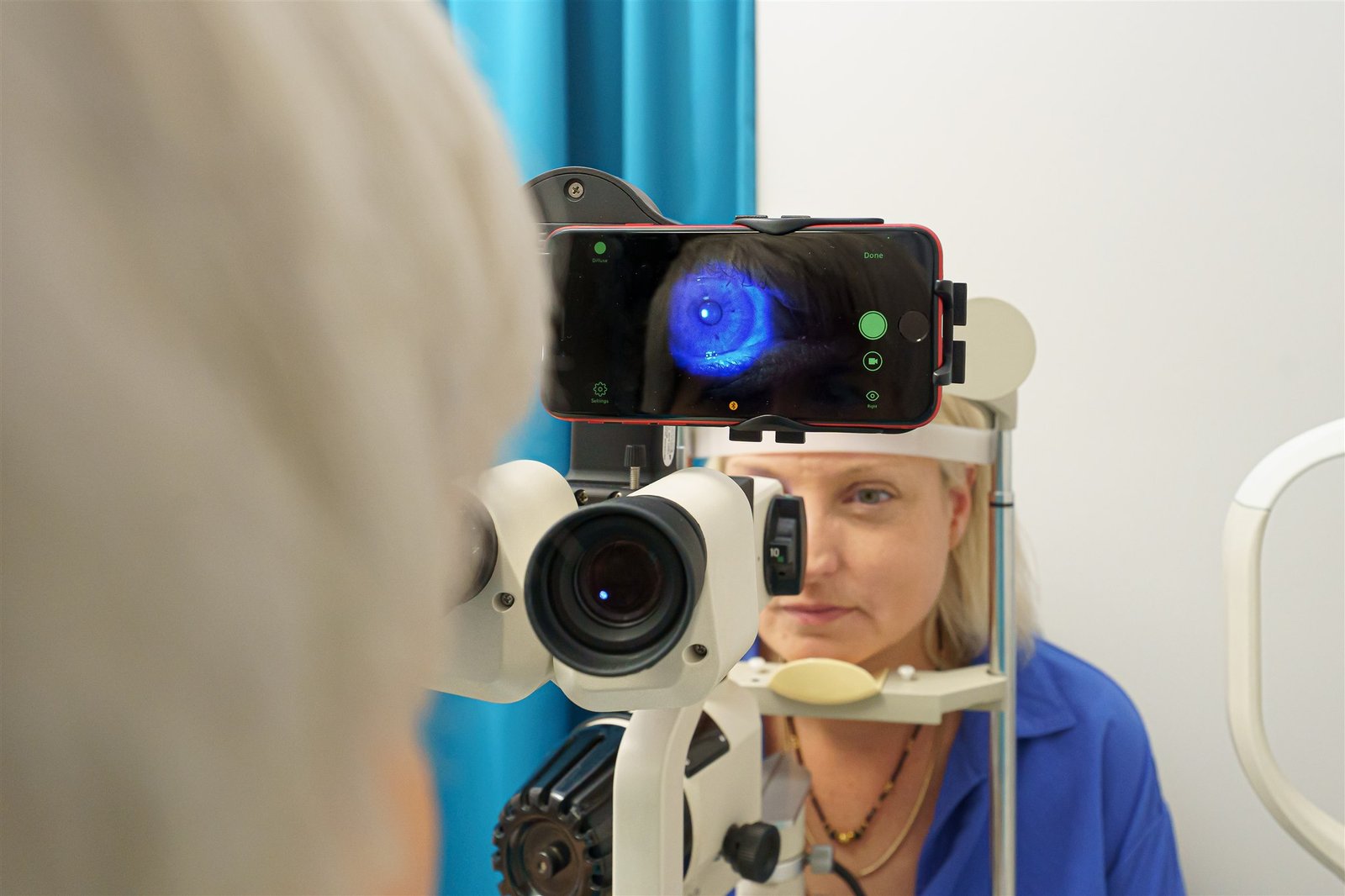
Optometrist performing a slit lamp examination

Welcome to the Netherlands! As an expat, you might have noticed that the healthcare system here works a bit differently than back home. One common confusion is eye care. You walk into a shop, get a free "eye test," and walk out with glasses.

But something feels missing. Where was the pressure check? Did they look at the retina? Was it just a sales pitch?

At Zeker Zicht, we believe in the medical model of eye care. We understand that seeing 20/20 doesn't necessarily mean your eyes are healthy.

What is a Comprehensive Eye Exam?

A standard "oogmeting" (refraction) at a retail chain only determines your prescription for glasses. A comprehensive exam performed by an optometrist goes much deeper. We look at the total health of your visual system.

What do we check?

During an annual or bi-annual exam at our practice, we screen for issues that often show no early symptoms:

  • Glaucoma: We measure intraocular pressure and check the optic nerve.
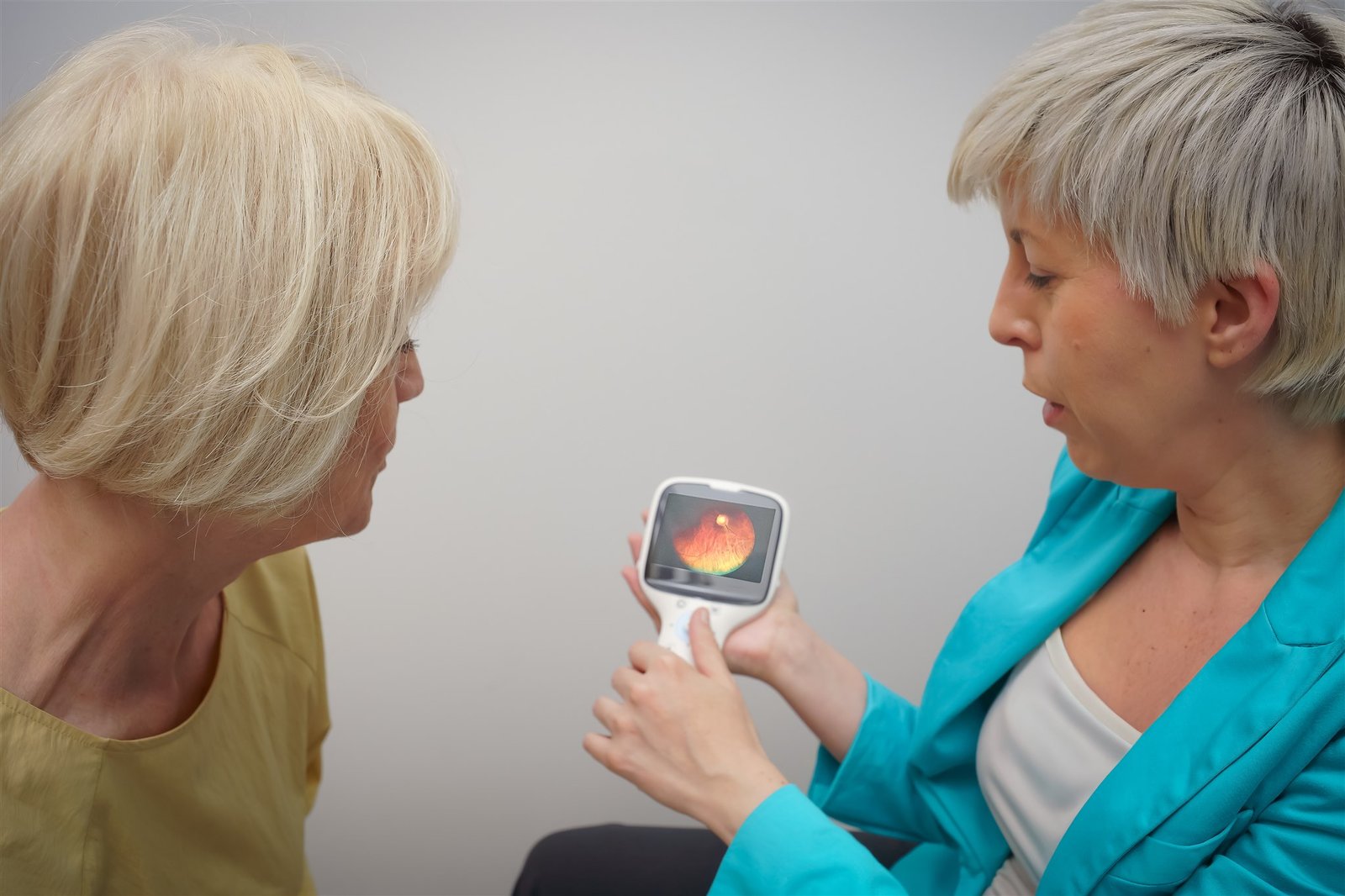
  • Retinal Health: Using advanced imaging, we look for signs of diabetes, hypertension, or retinal detachments.
  • Dry Eye Disease: Essential for office workers. We analyze your tear film quality, not just the quantity.
  • Binocular Vision: How well do your eyes work together? (Crucial for headaches and screen fatigue).
Retina scan on a computer screen

Why choose an independent optometrist?

In many countries, you visit an "Eye Doctor" for these checks. In the Netherlands, the Optometrist fulfills this role. We are the bridge between the GP and the hospital.

At Zeker Zicht, we take the time to explain what we see. No rushing, no sales pressure. Just honest, medical advice regarding your most valuable sense.

Time for your annual check-up?

Don't wait until your vision gets blurry. Prevention is key. Book a comprehensive medical eye exam today and get peace of mind.

Book Appointment

Questions about your eyes?

Schedule a free 15-minute advice call with me. You choose the time.